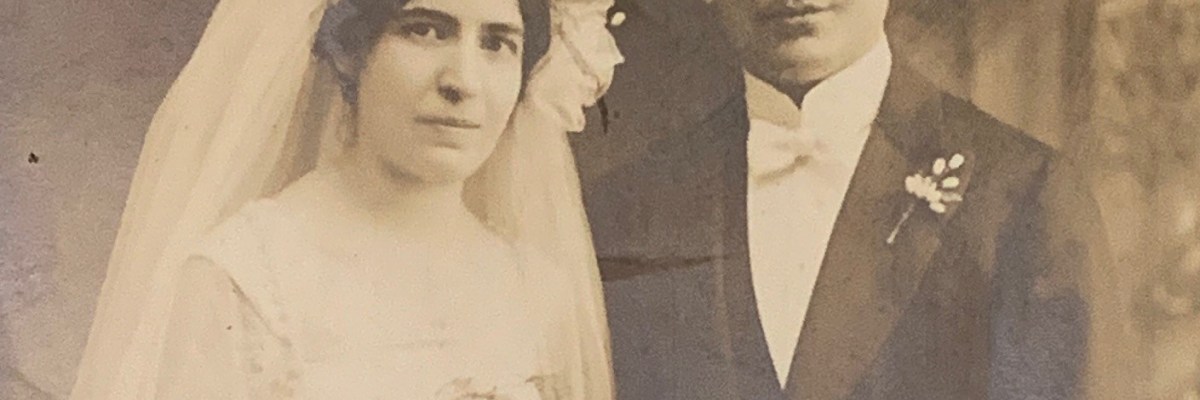
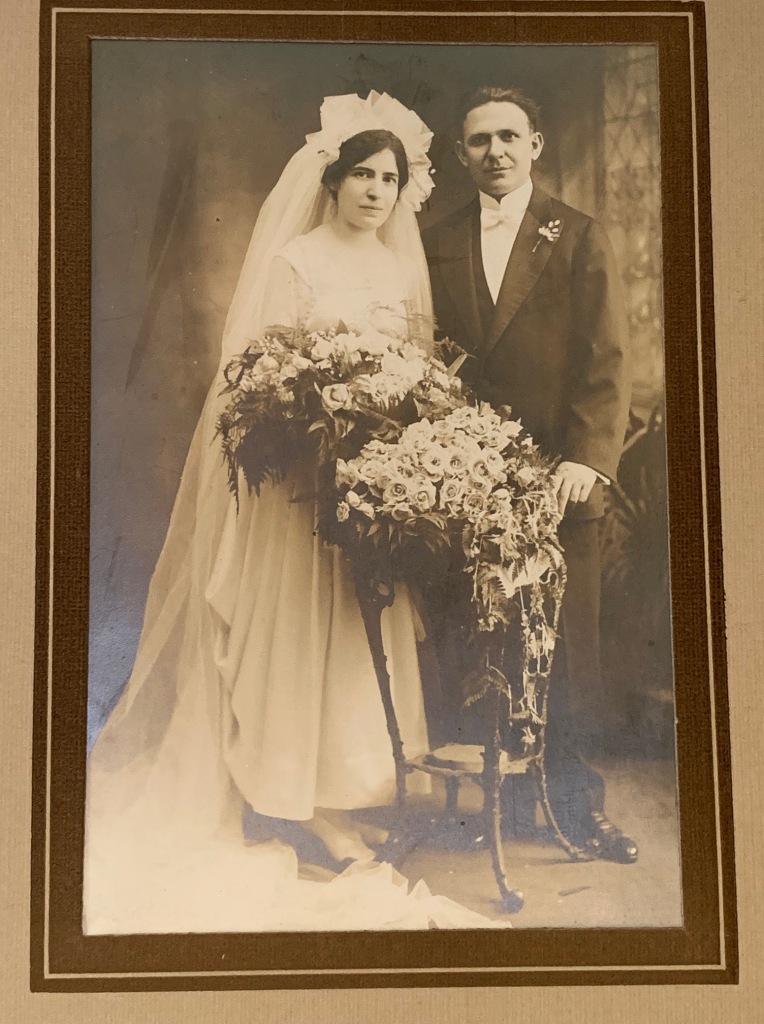
My mom’s parents came to America on a boat. Not the boat that stopped at Ellis Island, my grandmother was quick to point out. Those were the peasants, she said. Our people paid full fare on their boat and had their own cabins and job prospects when they arrived in America.
That’s because her dad, my great grandfather, Benedetto Sica, had come to this country several years before to seek his fortune as a tailor.
The story was a familiar one: Benedetto would make his success in America and then send for his family when he was financially stable. He worked and saved and started a shop that specialized in making wraps for women. They were very high fashion for the time, made of mink and fox.

When it came time for Benedetto to send home for his family, his wife, Alfonsina, balked at the ocean voyage and refused to leave her home in Colliano, Italy, in the hills west of Salerno. Instead, his 15-year-old daughter, my grandmother Angelina, came to take care of the household in New York.
Then her younger brother, Alfonso, came over. He was to be taken care of, too. The business was a success, enough to support the family comfortably, but still, the matriarch, Alfonsina, remained in Italy. Finally, Benedetto decided he needed to be with his wife, even if that meant giving up his business and moving back to Italy.
He arranged a marriage between his daughter and his shop foreman, Cosmo Maimone, who was 11 years her senior, told them to take care of the business, make sure Alfonso got an education and then he headed back to Italy.
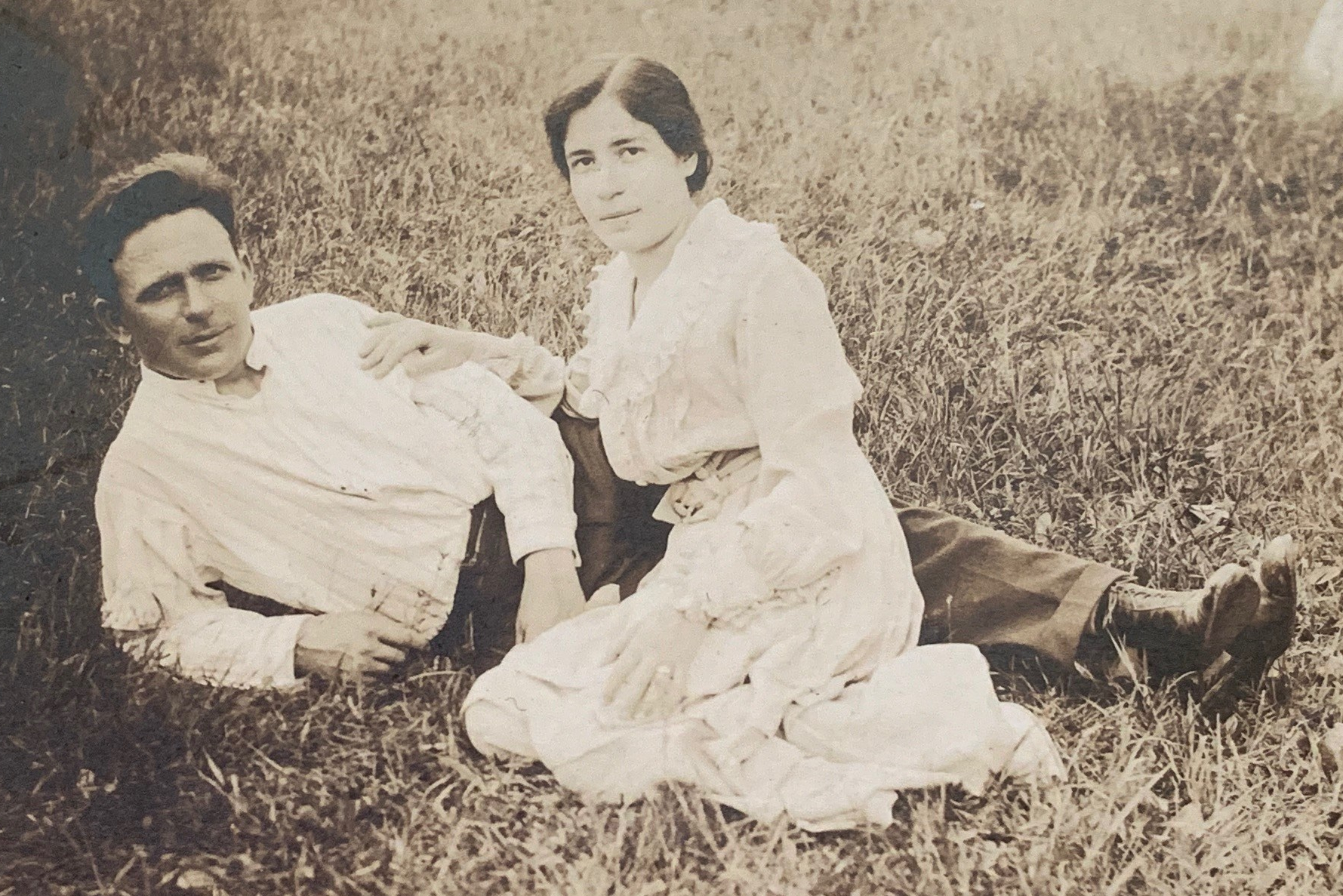
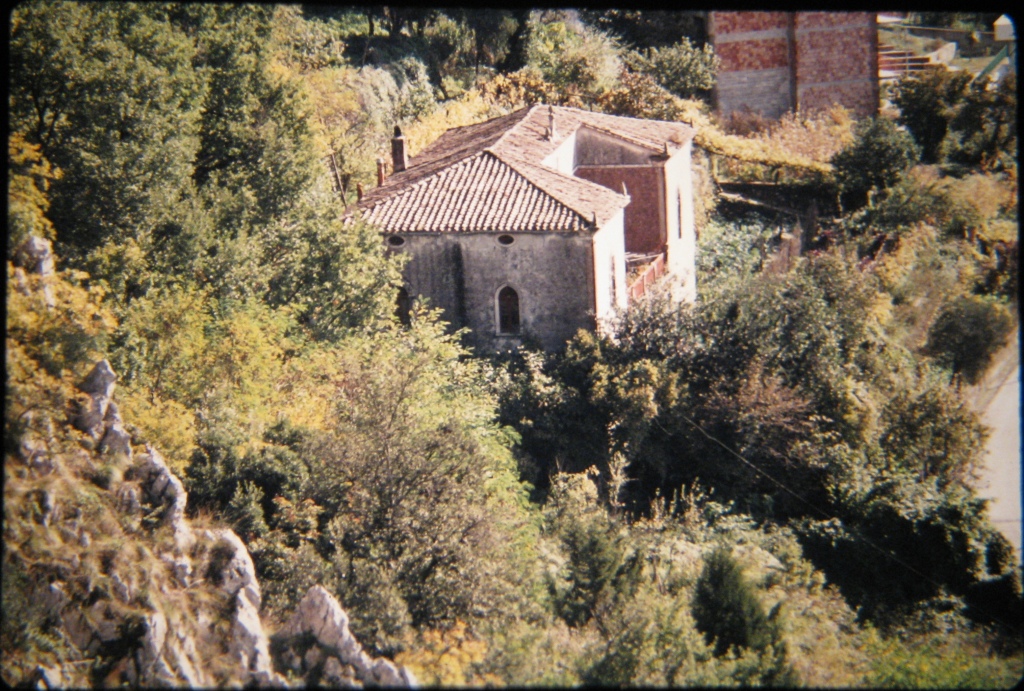
Happily reunited, Benedetto and Alfonsina had another child, Pietro, who never came to America. The family lived in a large house in the small town of Colliano, on the Amalfi coast. It was a short distance but an hour bus ride from Salerno on the narrow roads into the mountains.
Italians were not treated well when they arrived in this country in the early 20th century. Not even those who had the means to bypass the indignities of Ellis Island.
But to hear my grandmother tell it, our family was royalty. And she sometimes acted like it when discussing other immigrants – like the Irish, Blacks and Germans – who she deemed not quite as grand as we, in slightly coarser language.
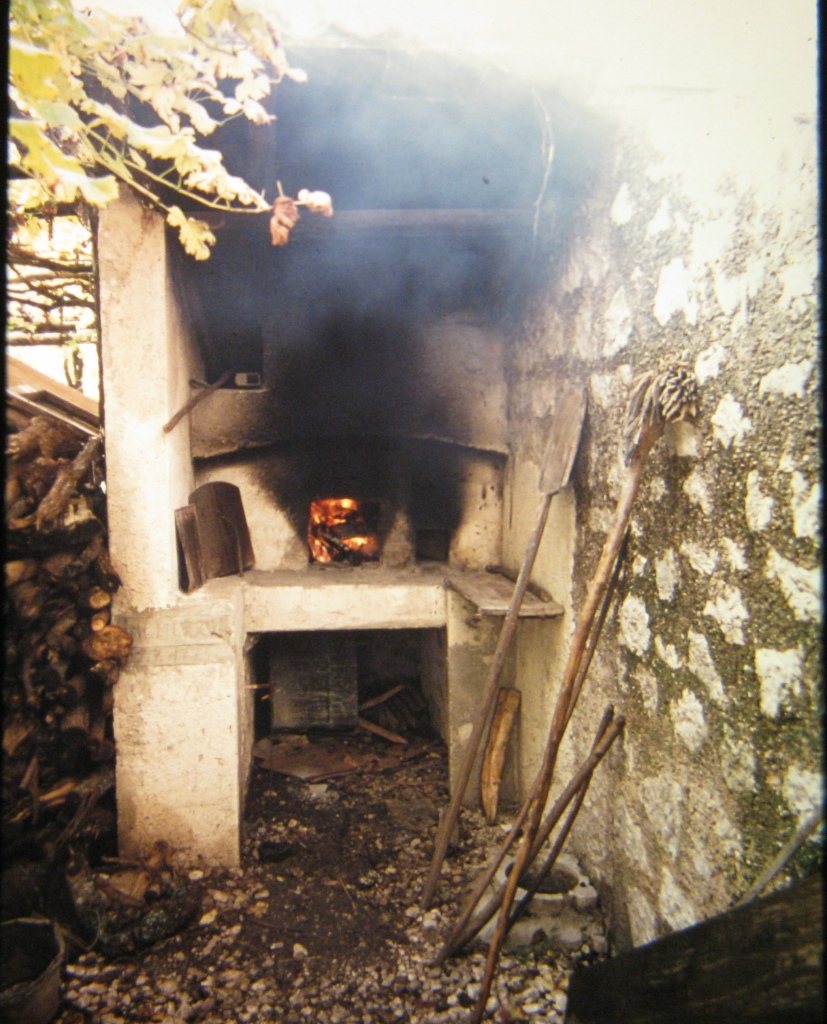
And back in Colliano, the family was indeed close to royalty. After all, they had one of the few ovens in town. Neighbors would line up every week with their dough so it could be baked in the Sica oven, which was just outside the kitchen door.
My grandmother was such a snob about our social ranking even among Italians that when we were younger and pizza had caught on in America, she dismissed pizza as peasant food.
We were aghast, but she explained that poor people would beg for the scraps of dough from the town’s bakeries or from the families such as ours who could afford their own ovens. Then they would roll it out as far a they could, put whatever food scraps they could find on it and voila, pizza.
“We,” she would say in dismissing our entreaties for her to make pizza, “are not beggars.”
Later, when she saw the rising tide of pizza popularity in America in the 60s, she suddenly added it to her vast repertoire of dishes. It turned out, she knew very well how to make it. Her garlic pizza, with its perfect crust, couldn’t have been beginner’s luck.
She and Cosmo made a life for themselves in America and for her little brother, Alfonso. Alfonso lived with them as he grew up, went to Columbia University, became a pharmacist and eventually bought a building for his drug store in Greenwich Village.
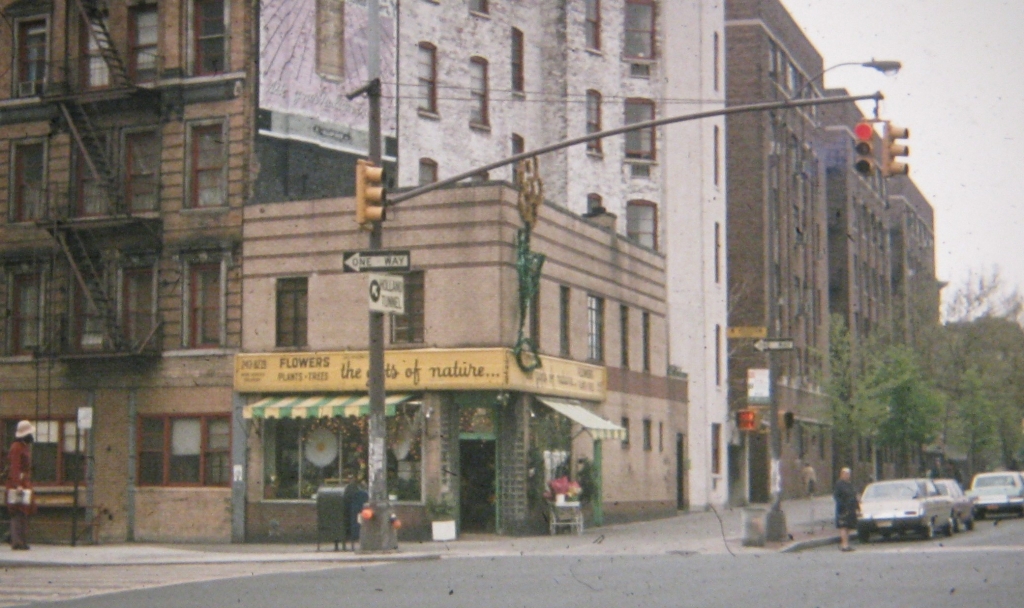
My grandmother took her familial duties to care for her little brother so seriously that, on some days, even though he was a grown man with his own store and she was a married woman with her own children, she’d make his lunch and get on the train near their home in Flatbush and take it all the way to the store in the Village. Even during the off hours, it took at least an hour each way. Maybe she just needed to get out of the house.
When my aunt Aggie and then my mom were born, they shared the room at the end of the hall because their uncle Alfonso had his own room. He stayed through the girls growing up, their college years and after they left for their marriages. He stayed after Cosmo died of a heart attack in 1953.
He finally moved out – although his room was preserved for his annual visits – when he retired to the family home in Colliano in the 1970s, when he was in his 70s.
Alfonso had bought the biggest house in Colliano from his great uncle who also had been a pharmacist, although he had made his fortune in South America. And Alfonso had installed his baby brother Pietro there as caretaker of the place and had been sending money to him for years.
My grandmother didn’t realize how much money he’d been sending to Italy until very late in life and she finally had reached a point where she saw the unfairness of their relationship. She was mad that he gave all this money and attention to a family he barely knew and saw for only a couple of weeks a year while he almost ignored my aunt and mother, with whom he had lived for decades. And certainly gave no financial assistance to.
His response to my grandmother was typical of the men on that side of the family. He dismissed her with a wave of the backside of his hand and a shrug of the shoulders.
“They needed the money and your girls didn’t.”
What he failed to realize is that they didn’t need the money because his big sister had worked so hard and creatively to keep everyone well fed and clothed, including him.
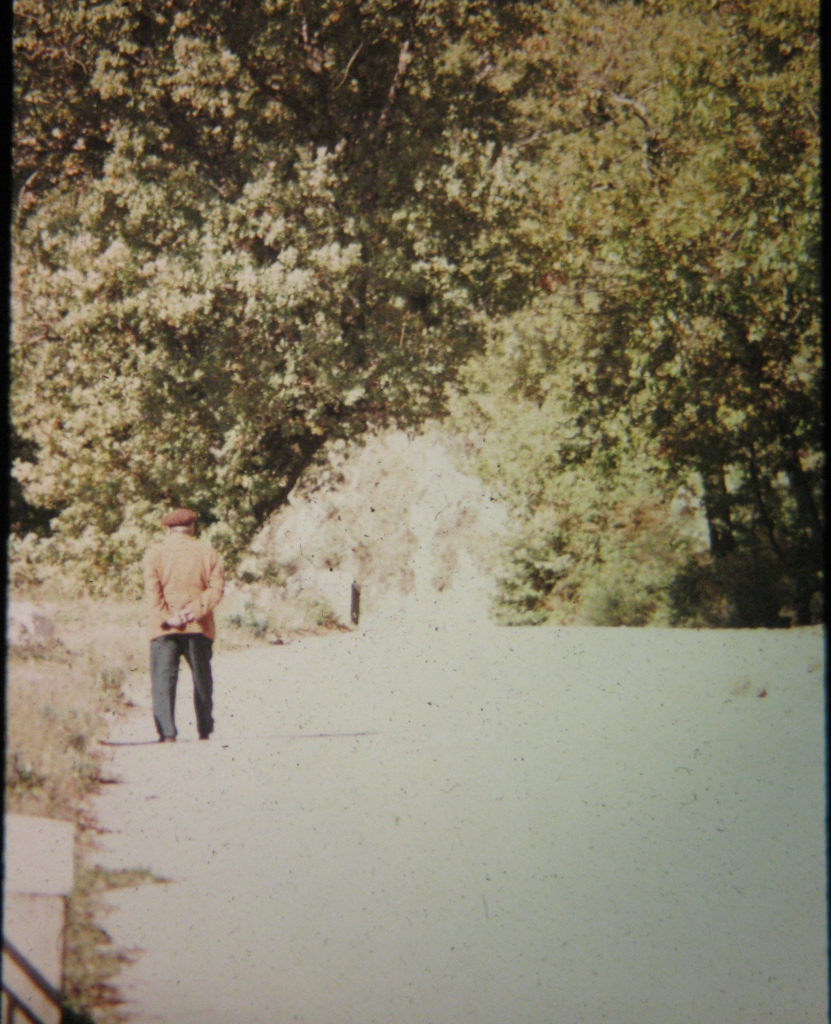
Although, to be fair, a good part of my grandmother’s heart remained forever in Italy. She would occasionally be caught up in bragging about the Italian side of the family that she barely knew anymore, too.
Growing up, I wasn’t threatened with the omniscient Santa Claus or even Jesus to keep my behavior in line. It was being held up to Pietro’s impossibly wonderful son, also named Benedetto, her nephew in Italy, who was about my age. That was supposed to do the trick.
I didn’t meet him until we were both young adults, but as a kid, I was told how brilliant he was. When I was 12 and obsessed with my baseball cards and record collection, my grandmother would sniff that Benedetto was already preparing academically and saving for medical school. He was a perfect child in every way and all his teachers and people in town loved him. Why wasn’t I more like him was the constant implication.
I imagined the adorable Italian cherub from the Prince spaghetti ads leading the townspeople through the square a la The Music Man as he skipped home from school everyday, halo over his head. There was no sense even trying to compete. So I didn’t.

Once in a while, my mother would get sick of those stories and call my grandmother on her exaggeration. Oh boy. Then their voices would rise, my mother sternly telling her mother in English that something she said was impossible and my grandmother defending herself in Italian with a voice that got louder, higher and faster, the weaker the case she had.
Before Alfonso died, he gave his nieces their inheritance: $10,000. This was a guy who owned his own building in Greenwich Village. And a gorgeous house on the Amalfi coast. My parents used the money to pave our driveway which desperately needed it. I was happy. When I dribbled the basketball, it finally came back up straight.
I must say, that court got a lot of use but not by my mother. She made the only shot she ever took when Doom first hung the hoop on the garage. She never took another, despite nearly 50 years of our urgings. She said she didn’t want to spoil her record.
When we were teens and just starting to wonder how people find their life partners, we asked our grandmother how she met Cosmo. Up until then, we had seen her as this stern, old lady – she was in her mid 60s – who often wore black dresses that widows from small European towns wear in widowhood with black, lace-up shoes with thick 2-inch heels. She wore the same style shoe every day – every day – for the last 40 years of her life.
As we got older, we saw small openings of warmth.
“My father brought him home to dinner,” she said without expression. This was new information. My grandmother did not open up about her personal life to anybody, let alone children.
“Did you know right away that you loved him?” our big sister, Carol, then a bobby-socked teenager, was doing the talking for all of us.
“Love?” she dismissed the question with that familial wave of her hand as if loving someone before marriage was a modern and passing fad. “I learned to love him.”
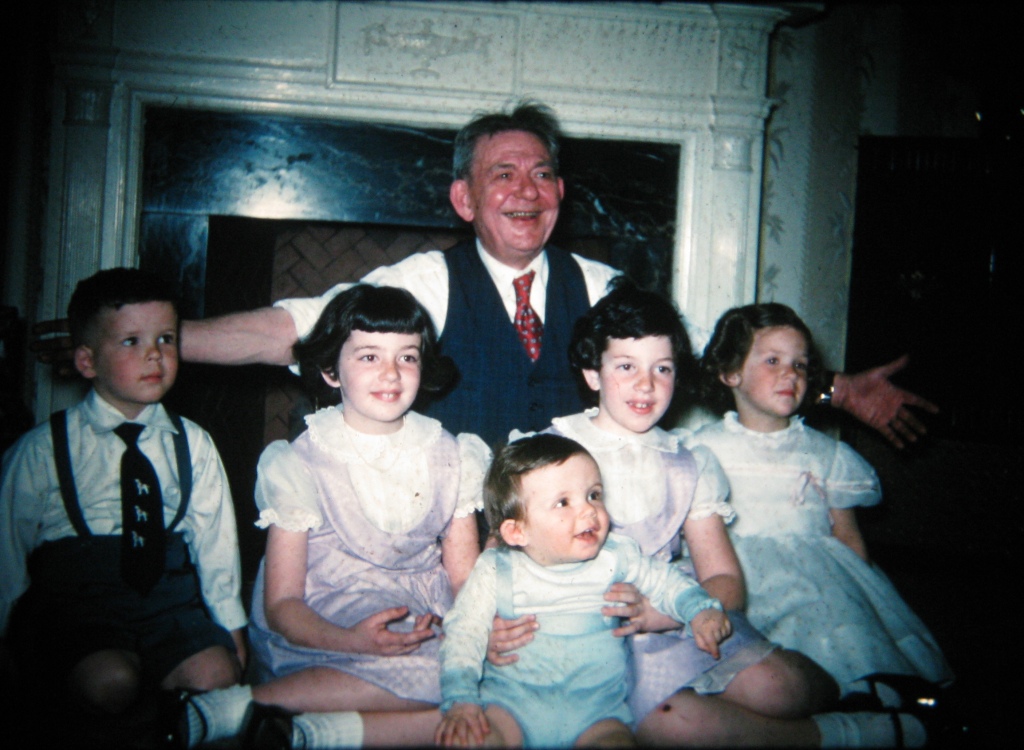
Carol couldn’t believe it.
“That’s what we did in those days,” Grandma continued when she realized the wave of the hand was not going to satisfy our curiosity. “My father knew best. He knew Cosmo (Mo) was a good, hard-working man, from a good family. And he had a steady job, working for my father, so he could take care of a family.”
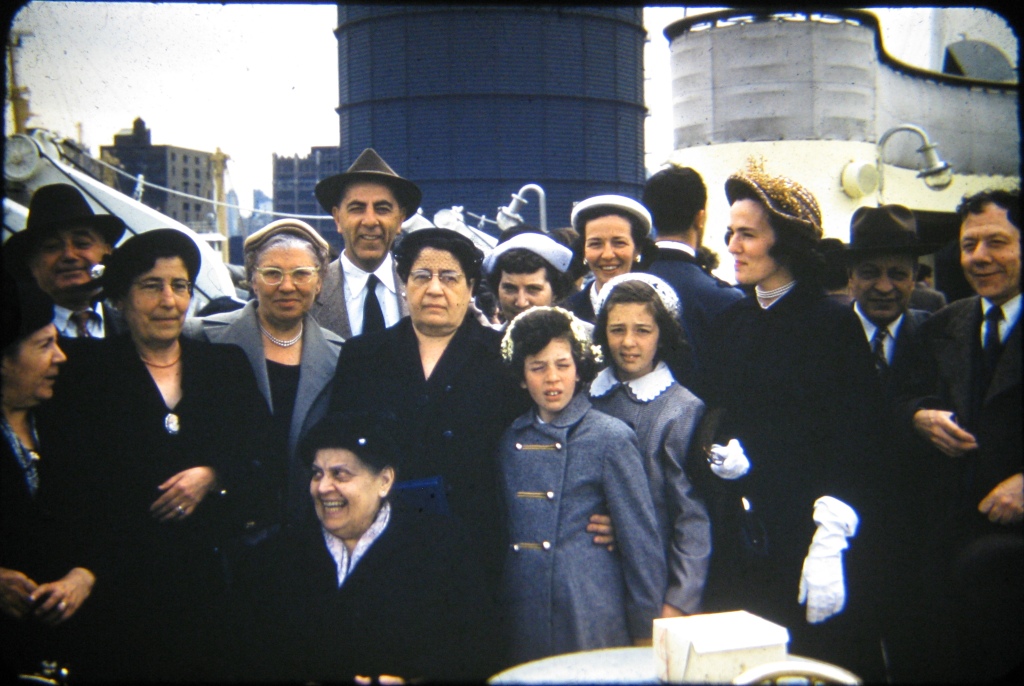
We were fascinated and horrified at the same time. As teens, we had begun to realize how hard it was to find your soul mate, and we had plenty of evidence to suggest the struggle would continue for many years – at least that’s what the lyrics of the pop music we listened to told us. But we also could sense the excitement of finding someone. However, it also seemed, after listening to my grandmother, not beyond the realm of impossibility that someone could just pick a boy or a girl out for you and all those struggles would be over. You could just learn to love them.
Next week: Chapter 6: Stolen Cars and a Stabbing.
Categories: My story

 Alan Sivell's A Boomer Life
I love reading this! It makes me want to dive right into my own family’s past. So well written and interesting from start to end.
Thanks! And I hope you do write. And soon! One of the reasons I started writing this was that, unless written down, family histories are gone in a generation or two.